ECO – Planet Friendly – Sustainability – there’s an ever-growing array or words to define and describe this sector – but what do they mean?
Biodegradable
is the ability of components to be broken down (decomposed) within the environment by the action of micro-organisms such as bacteria, fungi, and other living organisms. Most things will degrade naturally over time (biodegradable), but some do not break down in the natural environment and cause harm (non-biodegradable).
Carbon footprint
measures the total greenhouse gas emissions caused directly and/or indirectly by a person, organisation, event, or product life cycle. It is the total carbon emissions emitted by business activities, for example, energy use such as heating and electricity, waste, water, transport, and supply chain. Carbon footprint is expressed as carbon dioxide equivalent (CO2e).
Carbon neutral
means balancing carbon dioxide emissions released into the atmosphere through everyday business activities with the amount absorbed or removed from the atmosphere. Overall, no carbon dioxide emissions are added to the atmosphere. Being carbon neutral is not the same as being net zero (although often it is used interchangeably) – net zero requires reduction of carbon emissions as far as possible before considering offsetting, while, in theory, carbon neutrality could be reached through offsetting alone.
Carbon offsetting
is a way to compensate for carbon emissions of a business by funding equivalent carbon dioxide savings elsewhere. It is an activity that prevents, reduces, or removes carbon emissions. Planting trees and renewable energy projects are examples of carbon offsetting. Carbon offsetting is a way to take responsibility for unavoidable carbon emissions.
Corporate Social Responsibility (CSR)
is a concept where businesses integrate social and environmental concerns into their operations and interactions with stakeholders. CSR is generally understood as being the way a company achieves a balance of economic, environmental, and social imperatives (Triple-Bottom-Line) while at the same time addressing the expectations of shareholders and stakeholders.
Decarbonisation
The removal or reduction of carbon emissions output into the atmosphere to reduce an organisation’s carbon footprint and impact on the climate. This is the process by which businesses can reach net zero through reducing, eliminating, and offsetting carbon emissions.
ESG
are a set of environmental, social, and governance standards for company operations criteria used by many investors. ESG represents risks and opportunities that will impact a company’s ability to create long-term value including climate change, resource scarcity, diversity and inclusion, health and safety, data security, board diversity, executive pay, and tax transparency.
Fairtrade
is a system of certification that aims to ensure a set of standards are met in the production and supply of a product or ingredient. For farmers and workers, Fairtrade means workers’ rights, safer working conditions, statutory working hours, and fairer pay.
Greenwashing
When a company misleads stakeholders into believing they are a sustainable or ethical organisation or promote sustainable and ethical practices as a distraction from negative environmental impacts. Branding something as eco-friendly, green, or sustainable when this is not the case misleads consumers into thinking they are helping the planet by choosing those products.
Net zero
refers to an overall balance between the amount of greenhouse gas emissions produced and the amount removed from the atmosphere. Net zero is reached when the amount we add is no more than the amount taken away. The UK government has pledged to become net zero emissions by 2050. A net zero target requires deep reductions in emissions from business organisations.
Organic
The absence of human made chemicals and substances in products that come from plants or animals.
Recycling
The process of collecting, recovering, processing, and adding value to materials that are ordinarily thrown away as waste or rubbish by turning them into useful new products.
Sustainability
is based on the principle that everything we need for survival depends directly or indirectly on the natural ecosystem. Sustainability is the management and protection of the Earth and its natural resources to support present and future generations. It is a balance of society, economy, and environment in a holistic way. Sustainability is often thought of as a long-term goal while sustainable development refers to the many processes and pathways to achieve this.
Sustainable supply chain
refers to companies’ efforts to consider the environmental and social impact of their products’ journey through the supply chain, from raw materials sourcing to production, storage, delivery, and every transportation link in between. There is a growing need for integrating sustainability practices into supply chain management.
Triple bottom line
is a business concept that suggests businesses should commit to measuring their environmental and social impact in addition to financial performance. Triple bottom line offers a framework for implementing economic, social, and environmental sustainability in an integrated way. It can be broken down into ‘three Ps’: profit, people, and the planet.
Zero carbon
means that no carbon emissions are being produced from a product or service. It means no carbon is given off at all. For example, energy sources such as solar and wind do not create carbon emissions when they are used to produce electricity, therefore, we refer to these sources as zero carbon.
Zero waste
involves the conservation of natural resources through lean and responsible production, consumption, reuse, and recovery of products including packaging and material use without burning or discharges into water, land, or air. Zero waste reduces both the threat to the environment and human health.


1. Re-think you’re branding. Pens have a limited amount of space to customise.
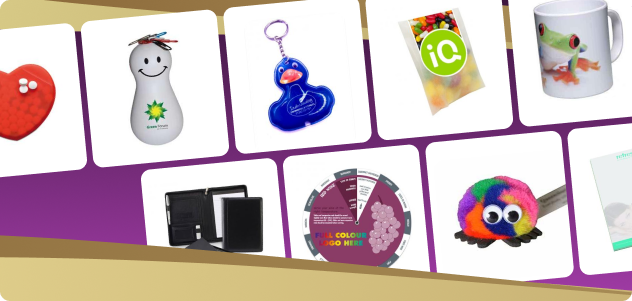
Promotional branded gifts can add massive value to your marketing message and create brand memories that are both engaging and impactful.
Shop all new products
If you’re from further afield, call or email us for friendly, unbiased advice about what promotional gift would work best for your campaign!
Contact Us