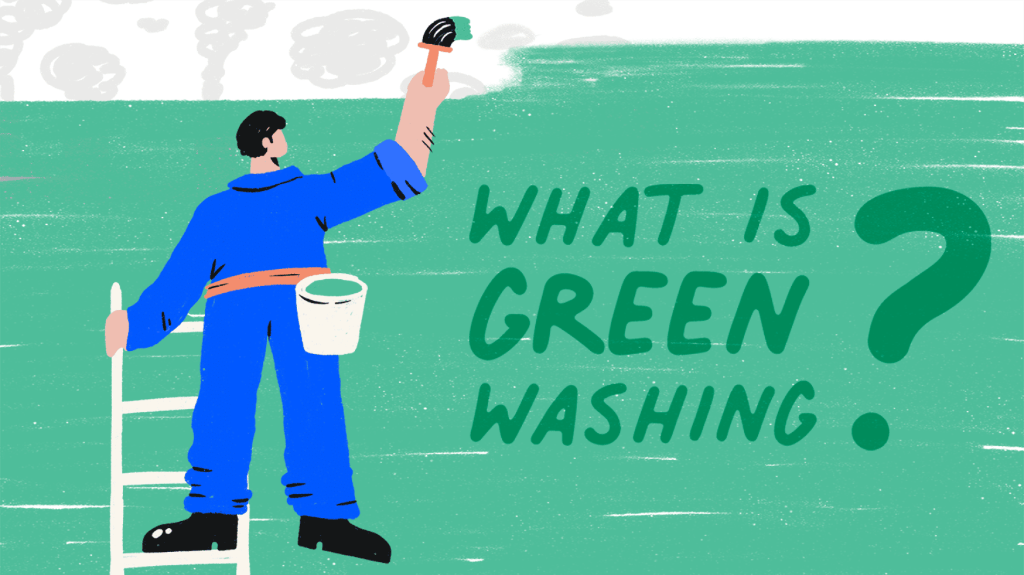
What is greenwashing?
Greenwashing is the practice of describing products, services, companies, or organisations as ecologically responsible to increase sales or enhance their public image. Greenwashing can include making claims that a product is ‘eco-friendly’ when it is not or using environmental marketing jargon to sell so-called sustainable products or services.
1. Use market research to make a green transition
Businesses want to make an informed choice when buying products and services. More and more also want to be sure that what they buy is good for them, their brand and the planet. It is crucial for BPMA members to keep track of how their sustainability strategy is perceived, how it stacks up against competitors, and its overall impact on the buying behaviour of businesses. Market research can be a big help. It provides insights into what buyers want from new, green products on the market, as well as the main drivers of their purchase decision-making process, such as price vs performance. Market research also offers insights into how businesses perceive a brand’s sustainability strategy: do they believe what companies tell them? We believe it can also provide a clear understanding of what works best for customers, revealing why a member’s eco-friendly message may ring true for some but not others.
2. Make the business case
Making a business case for your green transition means understanding the financial benefits of switching to sustainable practices. The best way to do this is by breaking down all the costs associated with each activity and the potential savings to be gained from making the switch. Using that data, create three scenarios: one where you stick to the status quo; one in which new practices are adopted, and a third which sees all employees involved in implementing sustainable changes. Compare each scenario to determine how much money could be saved or earned via adopting sustainable practices. That figure can be used by all members as a springboard to sustainability.
3. Ensure you are committed to the green transition
Even a member with a solid reputation can fall victim to greenwashing. That’s why it’s important to scrutinise your mission statement and the alignment of your business practices. A mission statement should mention the environment and sustainability in your day-to-day efforts front and centre. But many customers are looking deeper: has your company achieved any short and mid-term carbon reduction goals, and do you lay out your firm’s long-term sustainability plans? It’s also worth highlighting press releases detailing any sustainable work or actions you have undertaken, such as partnering with environmental charities or adopting policies that prevent global wildlife trafficking.
4. Don’t call something sustainable until it truly is
Members making green claims should provide specific details about them without using jargon or vague language. One easy way to do this is by sharing stories from employees who are doing their part to reduce waste or use renewable energy. Make sure everyone is aware of the ‘rebound effect’. A sudden overuse of sustainable resources can be more costly to the planet than originally intended. For example, switching your entire vehicle fleet to electric could result in employees using their EVs more than green public transport or bikes, leading to a negative environmental impact.
5. Keep your messaging truthful and transparent
Sustainability has to be embedded at the core of every member’s communications strategy, from HR and sales to the IT department, so everyone internally is on the same page. You can also set up a green team to create an eco-friendly company culture or carry out research to improve your supply chain or logistics. It’s also acceptable to tell your customers you know there are areas that need improvement – as long as you’re not avoiding taking immediate action. Be honest about your progress but don’t make promises you may not be able to keep, such as switching to environmentally friendly packaging or hitting energy reduction targets. If you don’t achieve them for whatever reason, it could erode trust. If there are aspects of your operations that are beyond your control, such as materials used by suppliers (even if they have sustainability certifications), explain what steps you are or will be taking to rectify the situation.
6. Avoid vague buzzwords
Be specific about what you are doing and why, without resorting to vague and confusing jargon or buzzwords. Focus on any of the United Nations’ 17 sustainable development goals (SDGs) that you know can be achieved. You can start by finding out how much or little your company’s operations enable or hinder the SDGs to be fulfilled. You can then make the necessary changes to ensure net positive change across the board, explaining everything in clear, understandable language.
7. Get third-party verification
Third-party verification is a critical part of any sustainability strategy. It proves to the public that you are doing what you say you are and any past or current claims are genuine. Verification can be carried out either by an independent body or a certified company. It can be as simple as a firm stating it has carried out recycling or carbon foot printing of packaging materials, or the much more costly third-party auditing of factories. Both are great ways to boost your sustainability profile in the eyes of your customers.
8. Ensure you use established labelling
Designing your own icons to convey an environmental product as ‘BPA-free’ or creating your own in-house label may look good but it can be an example of greenwashing. Opting for any old eco-label won’t always help either. There are over 460 in use worldwide, making it difficult for the average customer to understand how they are implemented or even verified. The best option is to choose established, third-party labels such as B-corp, Fairtrade or EU Ecolabel. They will lend you and your products credibility by ensuring your claims are trustworthy.
9. Take climate action in your supply chain
Taking climate action means implementing systems to monitor greenhouse gas emissions and reduce the carbon footprint of your business operations. This commitment to sustainability can also be extended to your long-term suppliers. Encourage them to adopt eco-friendly practices to further reduce the environmental impact across your entire supply chain. It can be expanded to cover emissions directly and indirectly linked to your company, known as Scope 1, 2 and 3, and help accurately define your operational carbon footprint. From there, you can work towards reducing emissions across the supply chain.
10. Be open about having more work to do
The effects of climate change have already been seen across the world. Businesses, alongside governments and individuals, are working to cut emissions, reduce their water and energy use and find greener alternatives to materials and products. It’s important that you are upfront not only about the sustainability challenges you face but what you are actively doing to address them. Go beyond sponsoring environmental conferences and events or making donations to respected organisations. Investigate possible partnerships with social or environmental organisations, so you can share knowledge and best practices that will bolster or accelerate your sustainability strategies. The more transparent you are about your environmental efforts, the more likely it will be that customers will respond positively. It may even attract new customers.
Making the transition
Avoiding greenwashing is not easy but it’s not impossible. It takes a solid commitment to sustainability and a genuine desire to effect change, while also supporting your employees and suppliers. Making sure your communications are up to scratch is good both for the planet and your business reputation. Remember, every marketing message on emails, websites, printed materials are subject to the CAP Code and Green Claims Code. Below we provide useful information and links to access more support. The BPMA can also advise you on your marketing materials prior to publication.
Green claims MUST


1. Re-think you’re branding. Pens have a limited amount of space to customise.

Promotional branded gifts can add massive value to your marketing message and create brand memories that are both engaging and impactful.
Shop all new products
If you’re from further afield, call or email us for friendly, unbiased advice about what promotional gift would work best for your campaign!
Contact Us